Botas de alta montaña: La conexión crítica entre tu cuerpo y el terreno extremo.
Desde nuestros casi 18 años de experiencia guiando expediciones por los volcanes más grandes de Sudamérica, sabemos que la alta montaña exige un respeto técnico constante. Cuando la actividad se desplaza por pendientes extremas, el fallo de un componente crítico puede poner en riesgo la seguridad. Por eso, entender las botas de alta montaña no es un tema de moda, sino de ingeniería pura.
Este sistema conecta tu cuerpo con el terreno, y su elección debe ser tan precisa como el resto de tu equipo. En este artículo, profundizamos en la anatomía de este calzado: sus materiales, las construcciones avanzadas y cómo seleccionarlas para enfrentar la variabilidad climática de los Andes.
Un Sistema Biomecánico
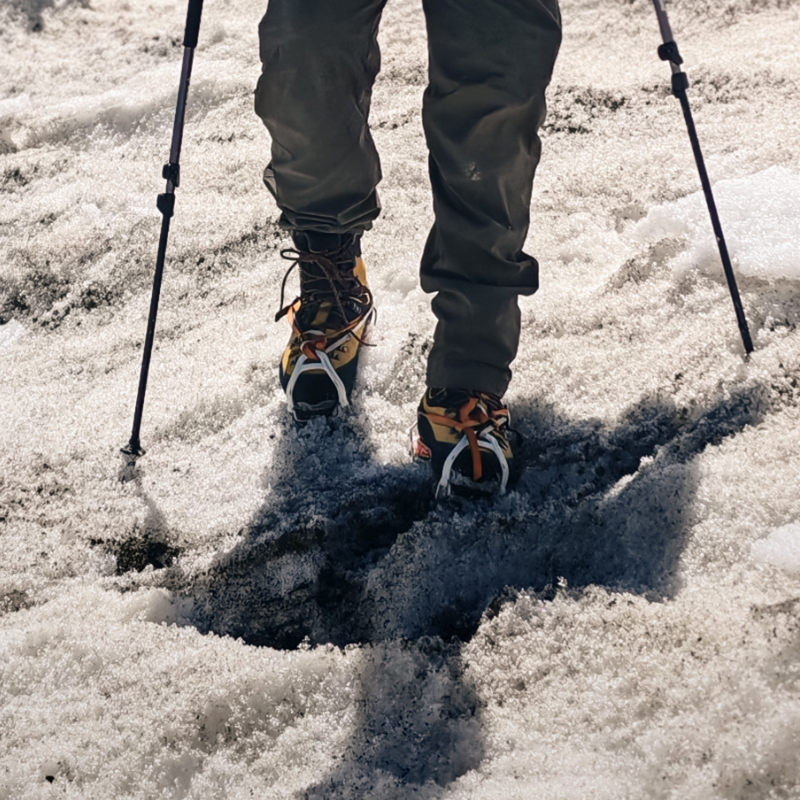
Comprender la estructura de la bota es el primer paso. Actualmente, diseñamos sistemas en capas, como la bota doble o triple, que superan al cuero tradicional. Por ejemplo, la bota doble combina una carcasa exterior robusta con una capa aislante interna que mantiene el calor corporal.
La Ciencia Detrás de la Protección
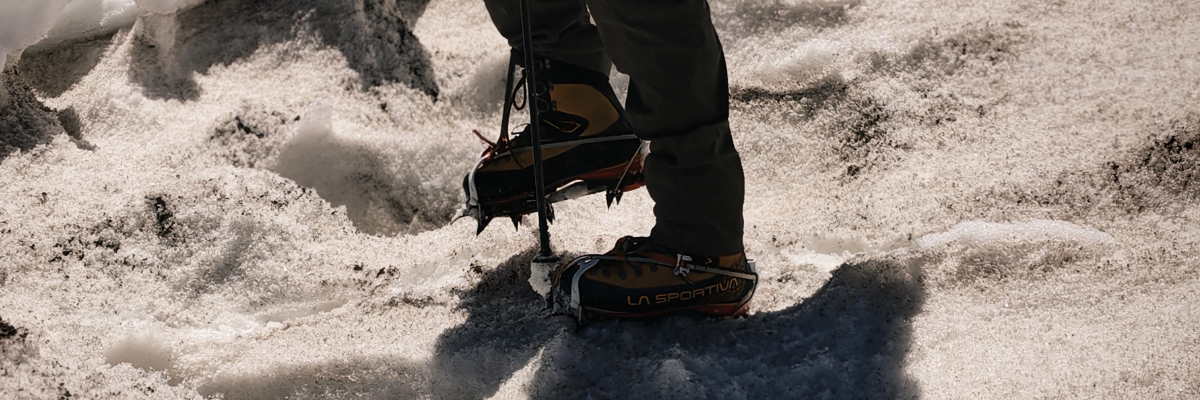
La elección del material define directamente el rendimiento. No se trata solo de impermeabilidad; la gestión de la transpirabilidad y la rigidez son igualmente cruciales. Los materiales modernos emplean membranas técnicas que ofrecen una barrera hídrica sin comprometer la evaporación del sudor. Además, la suela debe ofrecer una tracción específica, capaz de gestionar el agarre sobre roca mojada o hielo.
Adaptación al Desafío Andino
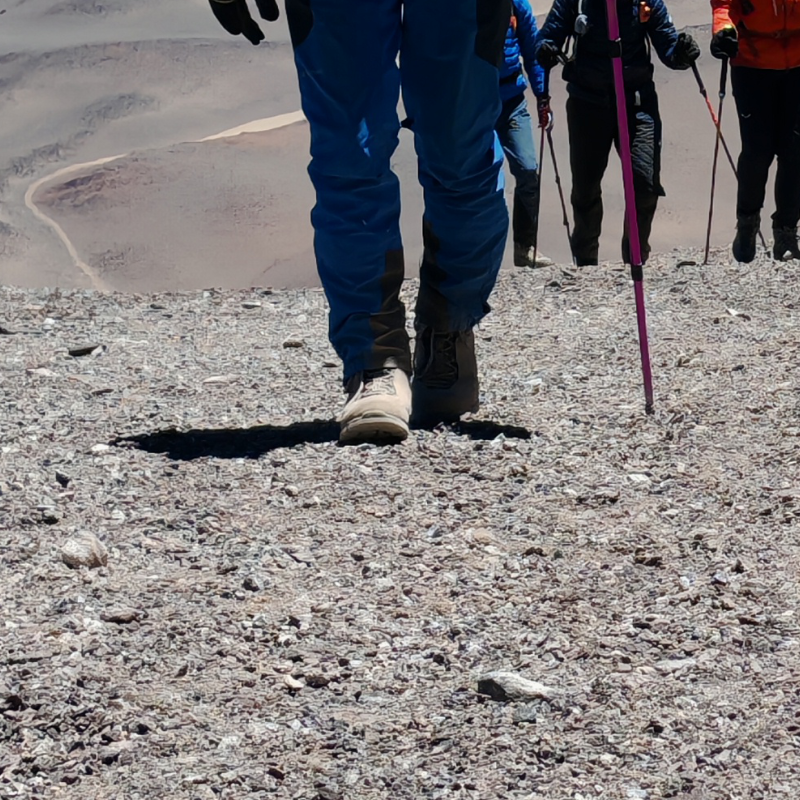
No existe una bota única perfecta para toda la expedición. En consecuencia, la selección debe ser predictiva. Si tu ruta incluye glaciares, prioriza el aislamiento extremo. No obstante, si el recorrido es mayormente rocoso, necesitarás una bota que favorezca la estabilidad lateral del tobillo.
Recuerda que la altitud incrementa drásticamente la exigencia metabólica y el riesgo de hipotermia. Por esta razón, el rendimiento de tus botas de alta montaña por encima de los 4.000 metros resulta vital. Ver el calzado como un sistema integrado te permitirá aprovecharlo al máximo, repercutiendo positivamente en tu postura y pisada.
La Bota como Complemento del Montañista
Mantener tus botas bien ajustadas e impermeabilizadas no es negociable si buscas seguridad. La adaptación adecuada forma parte de tu entrenamiento físico. Específicamente, la experiencia en montañas como el Aconcagua demuestra que el equipo debe soportar el esfuerzo, no al revés. La verdadera maestría reside en el conocimiento profundo de tu propio equipamiento.
Checklist para tu elección:
Tipo de construcción: ¿Bota simple, doble o triple?
Compatibilidad: ¿Crampones automáticos o semi-automáticos?
Aislamiento: ¿Capacidad térmica certificada para temperaturas bajo cero?
Suela: ¿Rigidez total o moderada según el terreno?
Tu seguridad empieza por la base. Por ello, confía en quienes llevamos décadas recorriendo estas alturas. Si planeas tu ascensión al Aconcagua o algún volcán activo, consulta hoy mismo con nuestros guías expertos para recibir asesoría personalizada.
¿Buscas el calzado ideal para tu próxima expedición?
Diseña tu expedición en los Andes con el respaldo de guías expertos. Estamos aquí para asesorarte en cada detalle técnico.