When the expeditions end, the mountain’s real story begins.
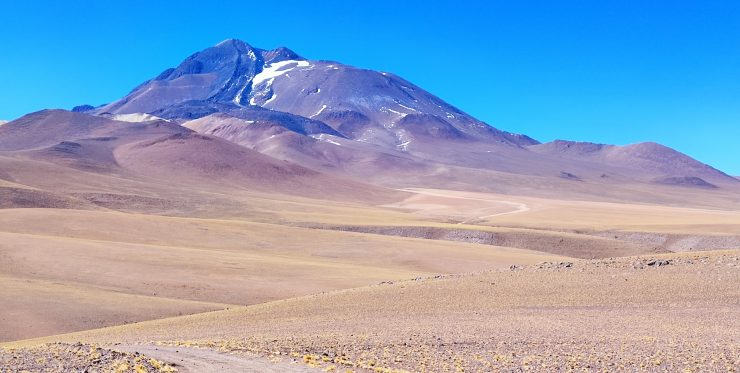
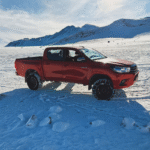
Every year, somewhere between late March and April, a silence descends over the slopes of Ojos del Salado. The last 4x4s roll back toward Copiapó. The last crampons are packed away. And the highest active volcano on Earth is left to itself again. For most of the world, this is the off-season. For the mountain, it is anything but.
Understanding what happens on Ojos del Salado during the Andean winter is not just a matter of curiosity. It is, for anyone serious about a future ascent, the beginning of a strategy.
The Season Ends. The Mountain Does Not.
Between May and October, the Southern Andes enter a period of intense meteorological activity. For Ojos del Salado specifically, this translates into sustained winds exceeding 100 km/h across the upper flanks, temperatures that regularly drop below -30°C at the summit, and snowfall events that reshape the mountain’s terrain from one week to the next.
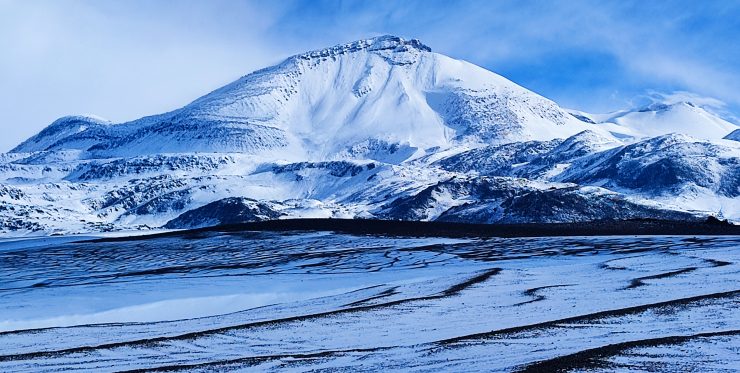
The famous crater lake — one of the world’s highest bodies of water — freezes over entirely. The volcanic vents that give Ojos del Salado its fumarolic character slow their activity under the weight of ice. The route markers established during the previous season are buried. The mountain, in a very literal sense, resets.
This is not a passive process. The winter does not simply pause the mountain. It rebuilds it.
A Landscape That Rewrites Itself
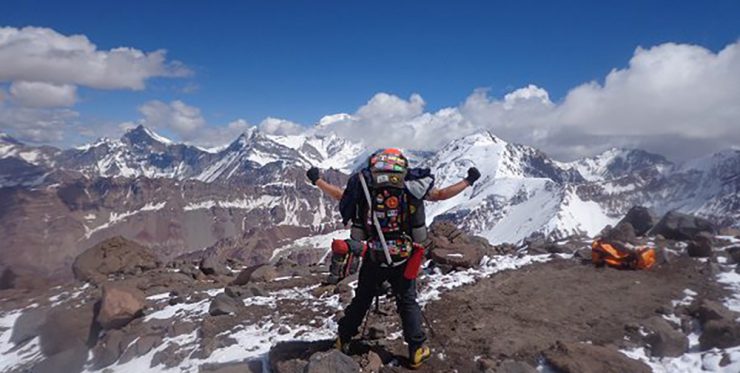
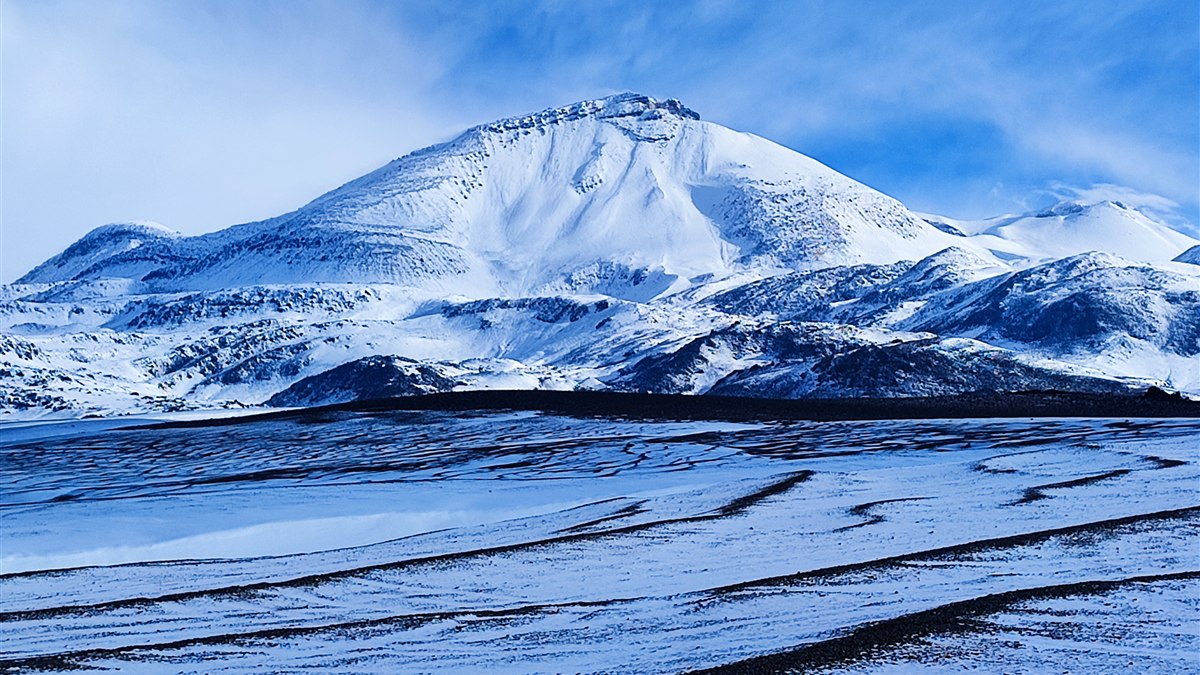
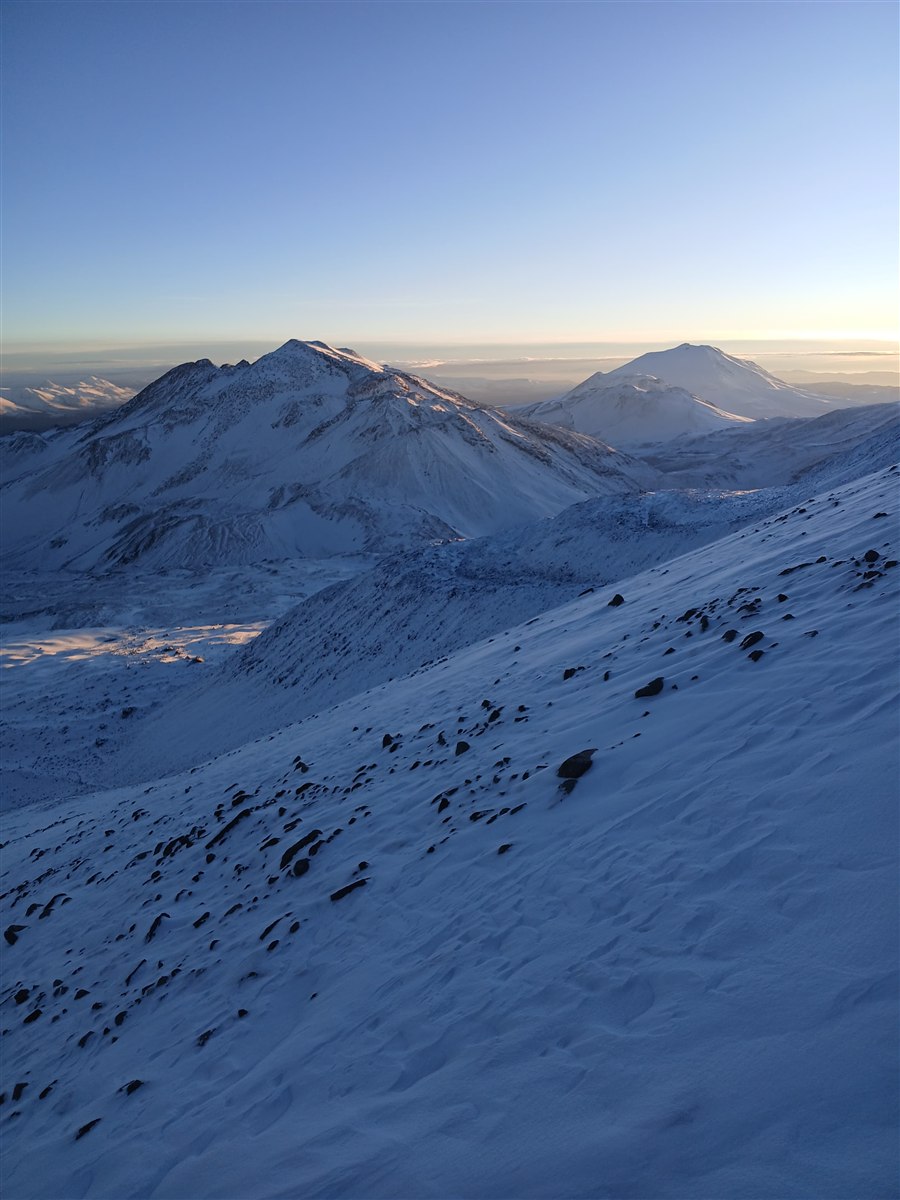
Dawn from the upper slopes. In winter, the mountain rebuilds itself in silence.
One of the least understood aspects of Ojos del Salado is that the Atacama context makes it unlike any other 6,000-meter peak. The extreme aridity of the Atacama Desert means that even in winter, precipitation accumulates differently than in the wetter Andean ranges further south. The result is a specific type of freeze-thaw cycle that creates the extraordinary textures — the penitentes, the salt crusts, the sculpted ridgelines — that make this mountain visually unlike anything else in South America.
During winter, the process that creates these formations is at its most active. Wind erosion at altitude is relentless. Frost wedging cracks rock faces. Volcanic heat from below creates temperature inversions that confound the logic of the landscape above. For the mountaineer who will eventually stand at the crater rim, understanding this environment is not academic — it is the foundation of every decision made during the actual ascent.
The Window You Don’t See
The November–March climbing window for Ojos del Salado is not arbitrary. It exists because of a specific meteorological phenomenon: the strengthening of the South Pacific anticyclone, which blocks the frontal systems that batter the peak during winter and creates the sustained periods of calm that make safe ascent possible.
This window is narrow, and within it, the best weather concentrates further. Professional operators with years of data on this specific mountain understand that the difference between a summit and a forced turn-around is often a matter of reading micro-forecasts at altitude — not just weather apps, but cloud formation patterns, wind direction shifts, and pressure gradients specific to the Atacama Puna.
The winter that appears to close the mountain is, in reality, charging it toward that November opening.
The Best Ascents Are Planned in Winter
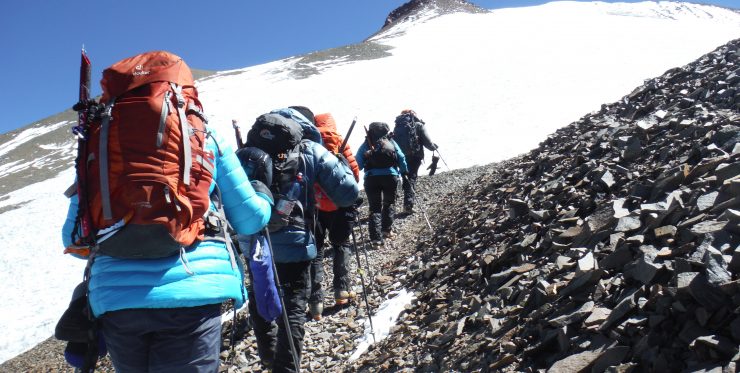
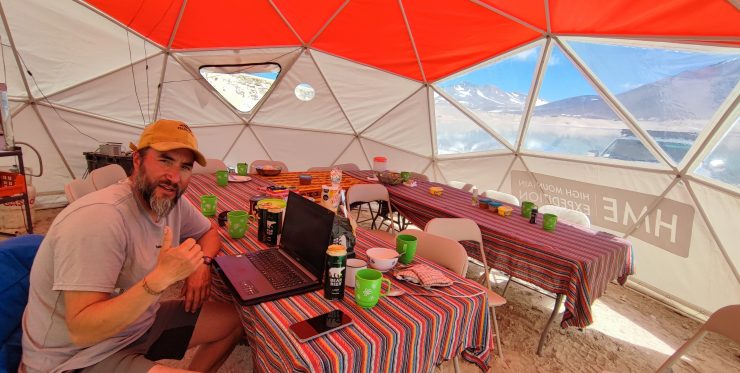
At HME, the off-season is our busiest planning period. Route assessments are updated based on last season’s terrain changes. Acclimatization schedules are refined. Equipment is inspected, replaced where necessary, and staged at our logistics points in Copiapó. The base camp at Laguna Verde is prepared for the season ahead.
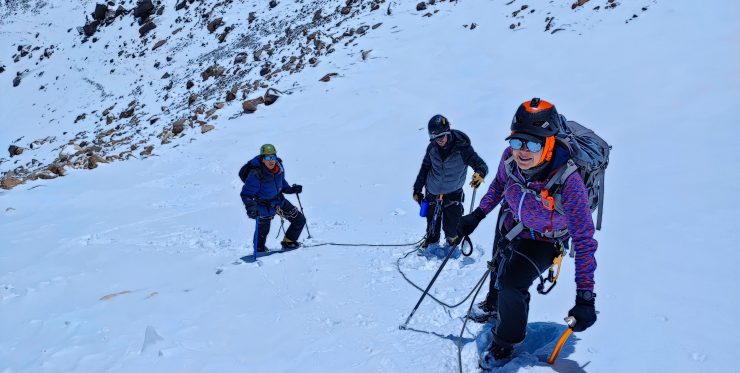
For climbers who will join us from November onward, the equivalent work happens at home. Physical preparation for 6,893m requires a minimum of four to six months of structured training. The high-altitude acclimatization strategy — which mountains to climb beforehand, how many rotations to build into the schedule — must be planned, not improvised.
The mountaineers who summit Ojos del Salado in January started their preparation in July. The ones who arrive in November unprepared do not reach the top. It is that direct.
Ojos del Salado — Key Facts
Altitude: 6,893 m — highest active volcano on Earth
Climbing Season: November to March
Recommended Preparation Window: 4–6 months prior to departure
Base Camp: Laguna Verde, 4,340 m, Atacama Desert
Operated by HME since: 2007 — 18 seasons, zero serious accidents
The season opens in November. Your preparation starts now.
18 years of experience on Ojos del Salado. Zero serious accidents. Join the expedition.
To provide the best experiences, we use technologies like cookies to store and/or access device information. Consenting to these technologies will allow us to process data such as browsing behavior or unique IDs on this site. Not consenting or withdrawing consent, may adversely affect certain features and functions.
Functional
Siempre activo
The technical storage or access is strictly necessary for the legitimate purpose of enabling the use of a specific service explicitly requested by the subscriber or user, or for the sole purpose of carrying out the transmission of a communication over an electronic communications network.
Preferences
The technical storage or access is necessary for the legitimate purpose of storing preferences that are not requested by the subscriber or user.
Statistics
The technical storage or access that is used exclusively for statistical purposes.The technical storage or access that is used exclusively for anonymous statistical purposes. Without a subpoena, voluntary compliance on the part of your Internet Service Provider, or additional records from a third party, information stored or retrieved for this purpose alone cannot usually be used to identify you.
Marketing
The technical storage or access is required to create user profiles to send advertising, or to track the user on a website or across several websites for similar marketing purposes.