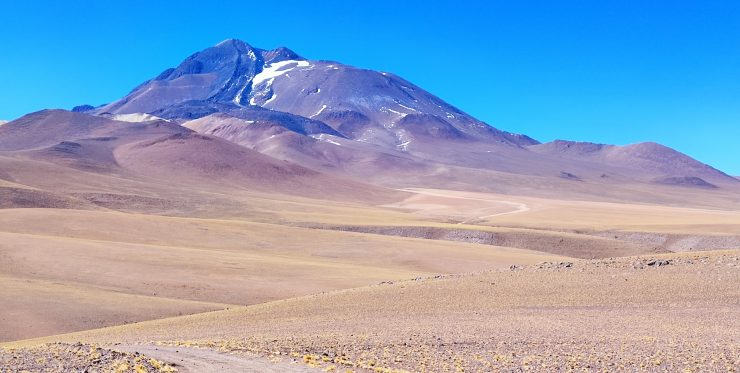
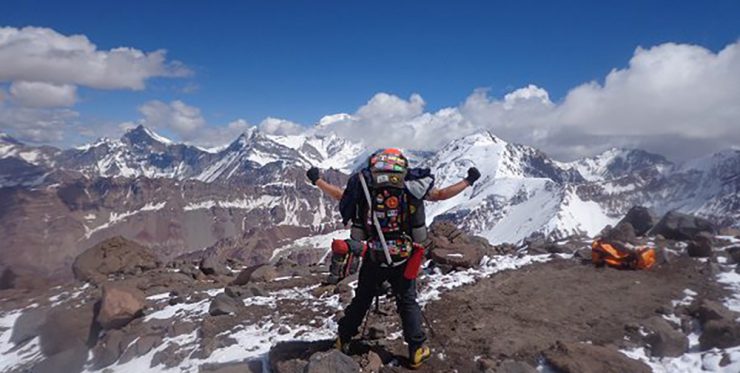
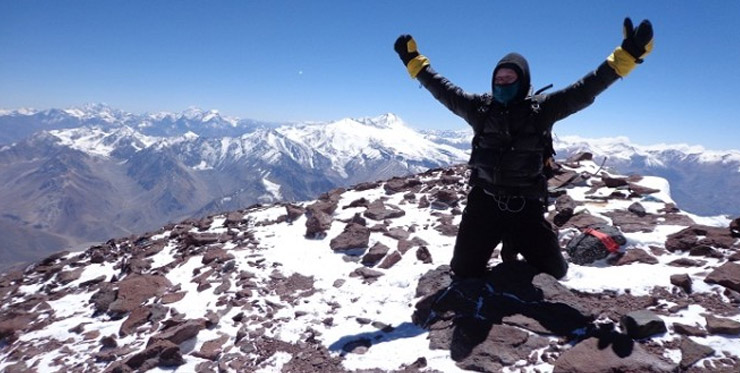
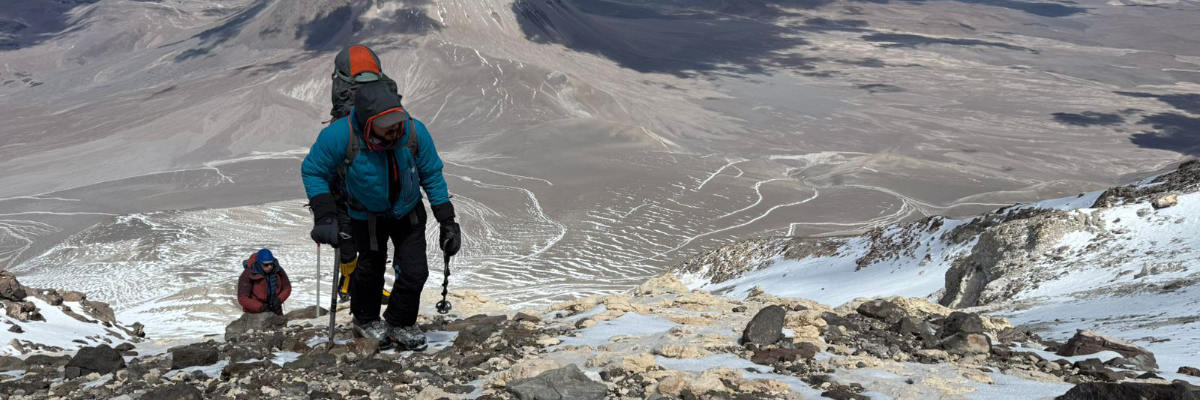
6,000m peaks are conquered with strategy, not brute force.
In high-altitude mountaineering, the greatest challenge is often an invisible enemy: the lack of oxygen. As we ascend, the decrease in atmospheric pressure causes hypoxia. Consequently, this triggers the dreaded Acute Mountain Sickness (AMS), locally known as “puna”. In simple terms, AMS represents your body’s difficulty in adapting quickly to this extreme environment. Specifically, it manifests as headaches, nausea, insomnia, and extreme fatigue.
If you ignore these initial symptoms, the situation can escalate into serious medical emergencies, such as pulmonary or cerebral edema. For this reason, at High Mountain Expeditions (HME), we understand that the great Andean massifs demand absolute respect.
The Importance of Altitude “Memory”
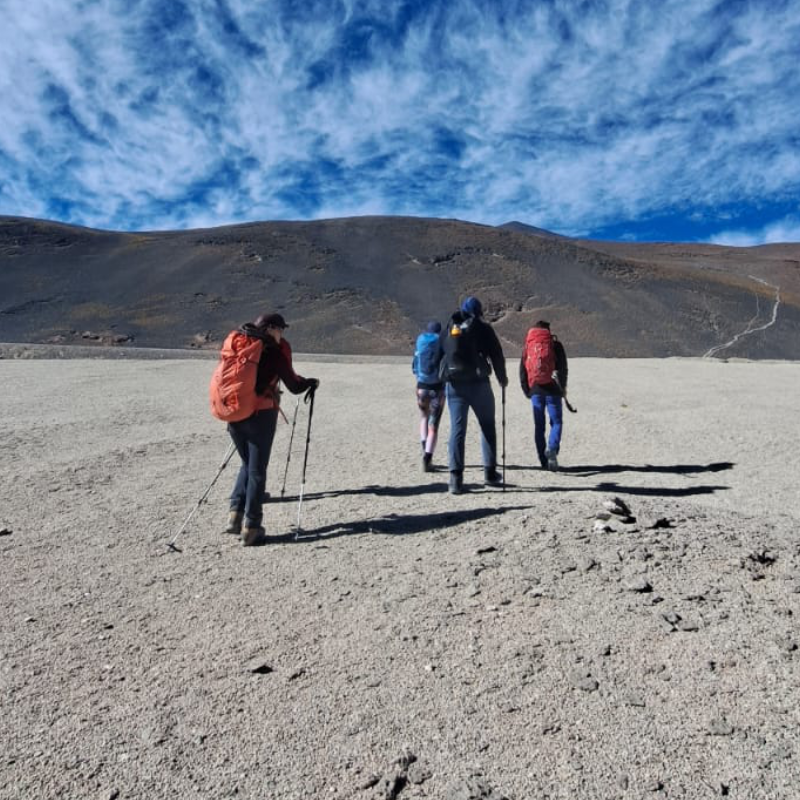
Although HME designs itineraries with specific days for acclimatization, arriving with prior altitude experience is a key factor. In fact, having been above 4,000 or 5,000 meters before helps your body generate a valuable “physiological memory”.
However, even more important is your mental memory: knowing your own body. For example, you need to understand how you react to hypoxia and learn to walk at a conservative pace. Furthermore, it is vital to recognize when a headache is normal and when it becomes a serious alarm. Arriving with a solid foundation does not just increase your summit chances; it allows you to truly enjoy the expedition instead of simply enduring it.
Acclimatization: Myths and Truths
To master the altitude, we must first separate reality from fiction. Below, we debunk the most dangerous beliefs:
✅ TRUTH: AMS is the great equalizer; it does not discriminate. Your cardiovascular capacity does not dictate how fast your body produces red blood cells. In fact, athletes sometimes suffer more because they tend to climb too fast. Acclimatization is about genetics and rhythm, not athleticism.
❌ MYTH 2: “A headache is normal; you just have to push through.”
✅ TRUTH: Ignoring symptoms is the most dangerous decision on a mountain. The golden rule is clear: if you feel unwell, do not continue ascending. If symptoms worsen at the same location, the only real cure is an immediate descent.
❌ MYTH 3: “There are magic pills, and coca tea cures everything.”
✅ TRUTH: Local infusions and preventive medications alleviate mild discomfort and improve digestion, but they do not cure AMS. The only safe method is giving your body time through a gradual ascent.
The HME Seal: Life-Saving Protocols
At HME, we do not leave your health to chance. On the contrary, we synthesize 18 years of experience into a rigorous and proven preventive logistics system.
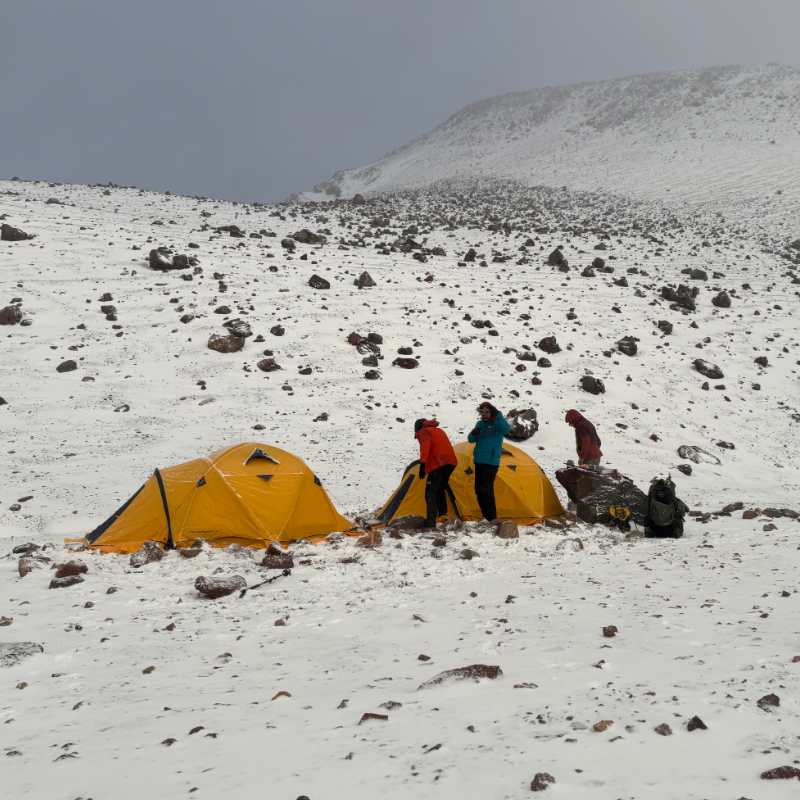
Strategic Ascent: We design staggered itineraries without haste, utilizing key transition camps like Laguna Verde (4,340 m) to force gradual adaptation.
Active Monitoring: Our guides perform daily oximetry and heart rate checks to detect any physiological anomalies early.
Rapid Evacuation: We have 4×4 vehicles, medical oxygen in camps, and satellite communication. If your body says “no”, our structure brings you down safely and quickly.
The high mountains are relentless. However, with proper planning and the right expertise, they become a place where you can reach your maximum potential with total peace of mind.
Are you ready to test yourself in the Andes?
Whether you need to gain prior experience or are already prepared for a 6,000m peak, explore our Acclimatization Programs and Expeditions. Climb with experts, climb safe, climb with HME.